The Dark Side of Smartphones: Understanding the Negative Impact on Children

In today’s digital age, smartphones have become ubiquitous, shaping the way we communicate, learn, and interact with the world around us. While these devices offer numerous benefits and conveniences, especially in terms of connectivity and access to information, there’s a growing concern about their detrimental effects on children. From impeding social development to causing physical and mental health issues, the dark side of smartphones on kids is a topic that demands attention and action.
Social Isolation and Dependency:
One of the most concerning aspects of smartphones’ impact on children is their potential to foster social isolation and dependency. With the allure of endless entertainment and instant gratification at their fingertips, kids are increasingly turning to their devices for companionship and stimulation, rather than engaging in real-life interactions with peers and family members. This overreliance on digital communication can hinder the development of essential social skills, such as empathy, effective communication, and conflict resolution, leaving children ill-equipped to navigate the complexities of human relationships.
Decline in Mental Well-being:
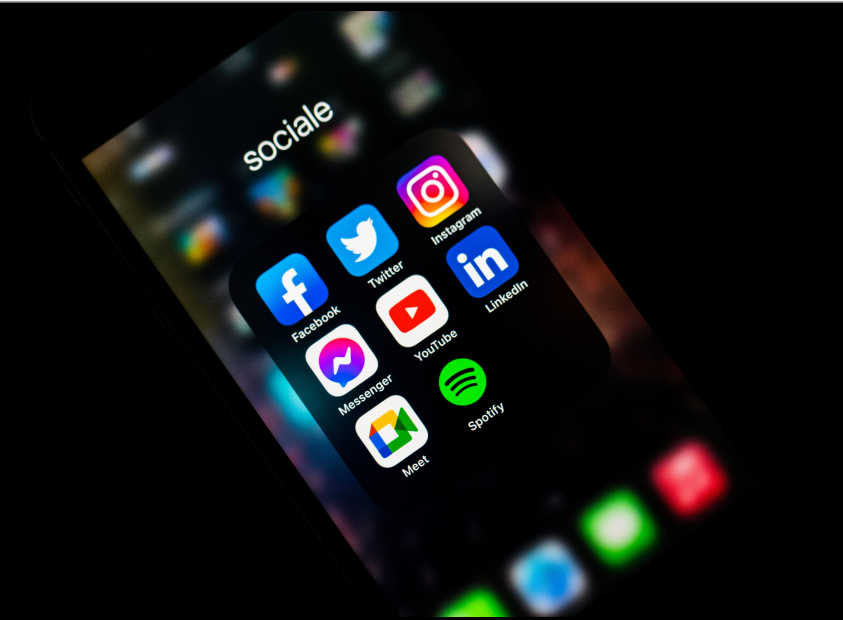
The pervasive use of smartphones among children has also been linked to a decline in mental well-being. Excessive screen time, particularly on social media platforms, exposes kids to unrealistic standards of beauty, lifestyle, and success, fostering feelings of inadequacy, envy, and anxiety. Moreover, the constant bombardment of notifications and digital stimuli can disrupt sleep patterns, leading to fatigue, irritability, and difficulty concentrating, all of which contribute to poor mental health outcomes.
Physical Health Concerns:
In addition to its impact on mental well-being, smartphone use among children is associated with various physical health concerns. Prolonged screen time often leads to a sedentary lifestyle, increasing the risk of obesity and related health issues. Moreover, poor posture and repetitive strain injuries, such as “text neck” and carpal tunnel syndrome, are prevalent among young smartphone users who spend hours hunched over their devices. The detrimental effects of excessive screen time on children’s eyesight are also well-documented, with prolonged exposure to blue light contributing to digital eye strain and potential long-term vision problems.
Cyberbullying and Online Safety:
The anonymity and accessibility afforded by smartphones also make children vulnerable to cyberbullying and online predators. With social interactions increasingly taking place in the digital realm, kids are exposed to a wide range of online threats, from hurtful comments and harassment to malicious grooming and exploitation. The consequences of cyberbullying can be devastating, leading to low self-esteem, depression, and even suicidal ideation. Moreover, the addictive nature of smartphone use makes it challenging for children to disengage from harmful online interactions, exacerbating the negative impact on their mental and emotional well-being.
Parental Concerns and Responsibility:
As the primary caregivers and role models, parents play a crucial role in mitigating the negative effects of smartphones on their children. It’s essential for parents to establish clear guidelines and boundaries regarding screen time, ensuring that smartphones are used in moderation and for constructive purposes. Open communication and regular monitoring of children’s online activities are also essential for identifying potential risks and addressing them proactively. Additionally, parents should lead by example by modeling healthy screen habits and prioritizing real-life interactions over digital engagement.
Conclusion:
While smartphones offer undeniable benefits in terms of connectivity and access to information, their widespread use among children has raised legitimate concerns about their negative impact on social, physical, and mental well-being. From fostering social isolation and dependency to exacerbating mental health issues and exposing children to online threats, the dark side of smartphones on kids is a multifaceted issue that demands a comprehensive and proactive response from parents, educators, policymakers, and tech companies alike. By promoting responsible digital citizenship and prioritizing the well-being of our children, we can ensure that smartphones serve as tools for empowerment rather than sources of harm.