Over the past few years, distance education has gained significant popularity as an alternative to traditional face-to-face learning. Online learning has transformed the way students learn and teachers teach, allowing for greater flexibility and accessibility. This article will explore the rise of distance education and the benefits it provides for both students and teachers.
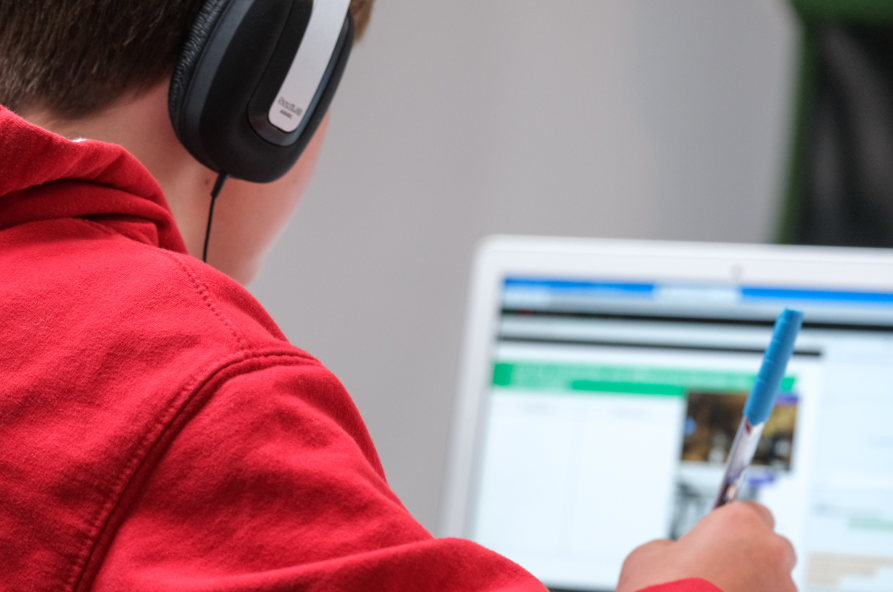
First, let’s understand what distance education means. Distance education is defined as a method of learning that takes place outside the traditional classroom. It involves the use of technology, such as computers and the internet, to deliver educational content to students remotely. Distance education can take many forms, including online courses, video conferencing, and blended learning.
One of the primary reasons for the rise of distance education is the increased accessibility it provides. Online courses are accessible to anyone with an internet connection, regardless of their location. This means that students who are unable to attend a traditional school due to distance, disability, or other factors, can still receive an education. It also means that students can access educational resources and materials at any time, from anywhere, making it easier to balance learning with work or other commitments.
Distance education also offers greater flexibility than traditional classroom-based learning. Online courses allow students to learn at their own pace and on their own schedule, which can be particularly beneficial for those who have work or family commitments. This flexibility also means that students can complete coursework from anywhere, whether it’s from home, a library, or a coffee shop.
In addition to the benefits for students, distance education can also benefit teachers. Online learning provides teachers with access to a larger pool of students, which can lead to increased diversity in the classroom. It also allows teachers to reach students who may not have access to a traditional classroom, such as those who live in rural or remote areas. Furthermore, online teaching can offer greater flexibility for teachers, allowing them to work from home or from anywhere with an internet connection.
Another advantage of distance education is the cost savings it provides. Traditional classroom-based learning can be expensive, with costs associated with facilities, materials, and transportation. Online learning, on the other hand, can be delivered at a lower cost, with no need for physical facilities or materials. This can make education more accessible and affordable for students, especially those who are financially disadvantaged.
The rise of distance education has also led to the development of new technologies and teaching methods. Online learning platforms and tools have improved significantly over the past few years, offering new opportunities for engagement and collaboration. For example, online forums and discussion boards can facilitate student-to-student and teacher-to-student interaction, while video conferencing and virtual classrooms can provide a more immersive learning experience.
In conclusion, the rise of distance education has transformed the way students learn and teachers teach. Online learning provides greater accessibility, flexibility, and cost savings, while also fostering new technologies and teaching methods. As technology continues to evolve, it’s likely that distance education will continue to grow in popularity and offer even greater benefits for students and teachers alike.