Understanding Depression: Shedding Light on a Complex Mental Health Condition

Depression is a complex mental health condition that affects millions of people worldwide. It is more than just feeling sad or down; it is a persistent and pervasive disorder that can significantly impact a person’s daily life. In this article, we will shed light on depression, its causes, symptoms, and available treatment options.
- What is Depression?
Depression is a mental health disorder characterized by persistent feelings of sadness, hopelessness, and a lack of interest or pleasure in activities. It affects a person’s thoughts, emotions, behaviors, and overall well-being. Depression can occur at any age and can be triggered by various factors, including biological, genetic, environmental, and psychological factors.
- Symptoms of Depression
Depression manifests differently in individuals, but common symptoms include:
- Persistent feelings of sadness, emptiness, or hopelessness
- Loss of interest or pleasure in previously enjoyed activities
- Changes in appetite and weight
- Sleep disturbances, such as insomnia or excessive sleeping
- Fatigue or loss of energy
- Difficulty concentrating, making decisions, or remembering things
- Feelings of worthlessness or excessive guilt
- Recurring thoughts of death or suicide
- Causes of Depression
Depression can have multiple causes, and it is often a combination of factors. Some common factors that contribute to depression include:
- Biological factors: Imbalances in brain chemicals (neurotransmitters) like serotonin and norepinephrine can play a role in the development of depression.
- Genetic factors: There is evidence of a genetic predisposition to depression, as it can run in families.
- Environmental factors: Traumatic life events, such as loss, abuse, or a major life change, can trigger or contribute to depression.
- Psychological factors: Personal factors like low self-esteem, negative thinking patterns, or a history of other mental health conditions can increase the risk of depression.
- Diagnosis and Treatment Diagnosing
depression involves a comprehensive evaluation by a healthcare professional, typically a psychiatrist or a psychologist. They will assess symptoms, medical history, and may use specific diagnostic criteria outlined in the Diagnostic and Statistical Manual of Mental Disorders (DSM-5).
Treatment for depression usually involves a combination of therapies, including:
- Psychotherapy: Different forms of therapy, such as cognitive-behavioral therapy (CBT), interpersonal therapy (IPT), or psychodynamic therapy, aim to address negative thought patterns, improve coping skills, and promote emotional well-being.
- Medication: Antidepressant medications, such as selective serotonin reuptake inhibitors (SSRIs) or serotonin-norepinephrine reuptake inhibitors (SNRIs), can help balance brain chemicals and alleviate symptoms.
- Lifestyle changes: Engaging in regular physical exercise, maintaining a healthy diet, ensuring sufficient sleep, and avoiding substance abuse can have a positive impact on managing depression.
- Support and Self-Care
In addition to professional treatment, support from loved ones and self-care practices are crucial in managing depression. It is essential for individuals with depression to:
- Seek support: Reach out to trusted friends, family members, or support groups to share feelings and experiences.
- Practice self-care: Engage in activities that bring joy and relaxation, such as hobbies, mindfulness, or spending time in nature.
- Maintain a routine: Establishing a daily routine can provide structure and a sense of stability.
- Set realistic goals: Breaking tasks into manageable steps and setting achievable goals can help combat feelings of overwhelm.
- Prioritize physical health: Regular exercise, healthy eating, and adequate sleep contribute to overall well-being.
Understanding depression and its complexities is the first step towards effectively managing and treating the condition. If you or someone you know is experiencing symptoms of depression, it is crucial to seek professional help and support. Remember, there is hope
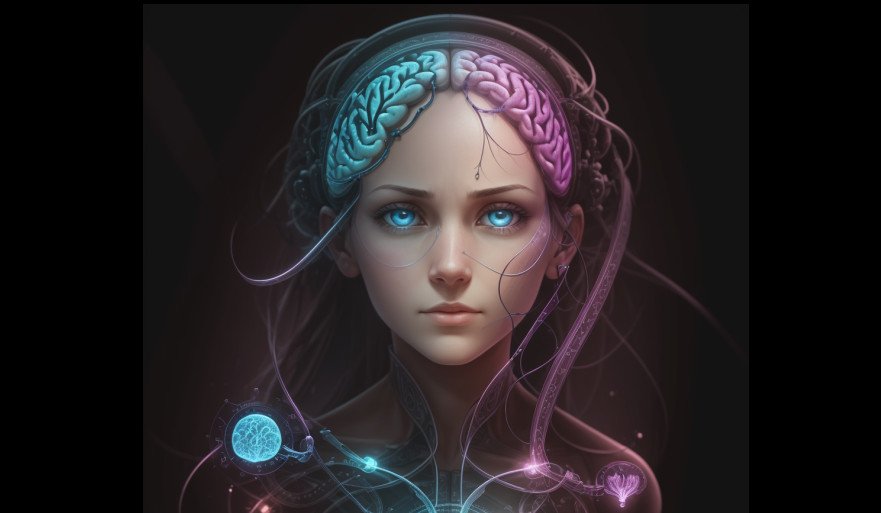
*Image by diana.grytsku on Freepik