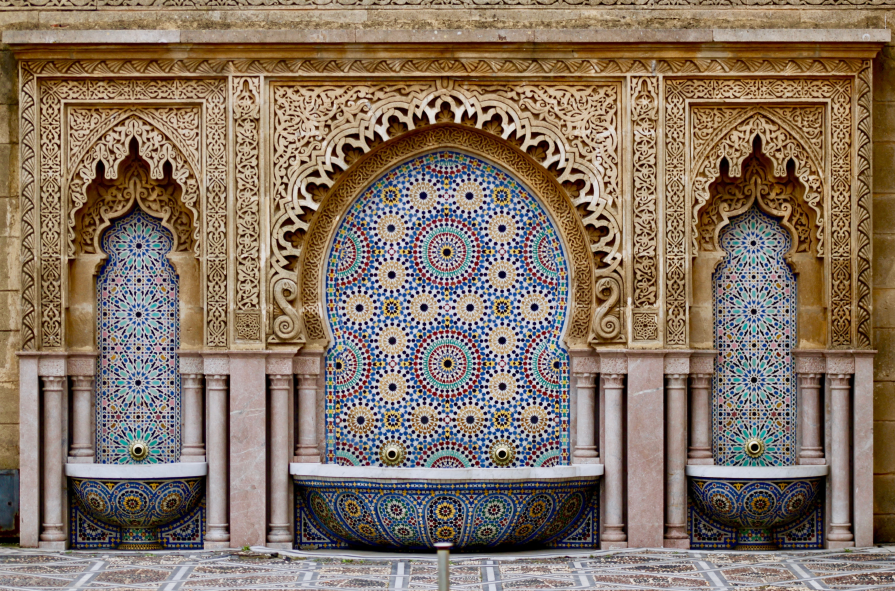
Morocco is a country that is steeped in culture and history, and nowhere is this more evident than in its art and architecture. Over the centuries, the country has been home to a diverse range of civilizations, each of which has left its mark on the country’s artistic and architectural heritage. From the intricate geometric patterns of Islamic architecture to the vibrant colors and patterns of traditional textiles, Moroccan art and architecture are a feast for the senses.
One of the most striking examples of Moroccan art and architecture is the Koutoubia Mosque in Marrakech. This mosque, which was built in the 12th century, is a masterpiece of Islamic architecture. Its towering minaret, which rises over 200 feet into the air, is decorated with intricate geometric patterns and calligraphy, while the mosque’s interior is adorned with ornate tilework and wood carvings. The Koutoubia Mosque is just one of many examples of Islamic architecture that can be found throughout Morocco, each of which showcases the country’s rich cultural heritage.
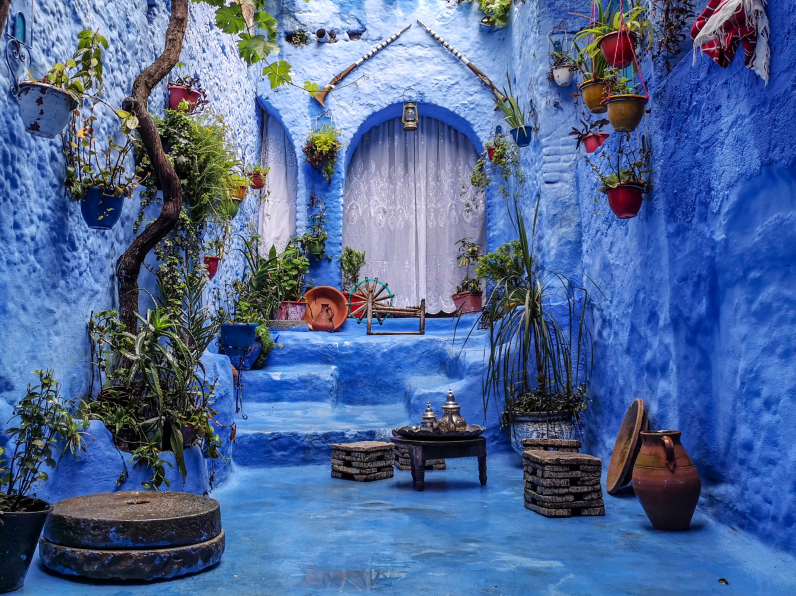
In addition to Islamic architecture, Morocco is also home to a rich tradition of traditional architecture. One of the most iconic examples of this style is the riad, a type of Moroccan house with a central courtyard. Riads are typically designed to be cool in the summer and warm in the winter, with rooms that open onto the courtyard and are decorated with intricate tilework and wood carvings. Many riads have been converted into boutique hotels, allowing visitors to experience this unique style of architecture for themselves.
Morocco’s traditional architecture is also characterized by its use of natural materials, such as adobe and wood. The kasbahs, or fortified villages, that can be found in rural areas of the country are a prime example of this style. These buildings are designed to blend in with the surrounding landscape, with walls that are often made from the same earth that is found in the local soil. The kasbahs are a testament to the Berber people’s ingenuity and resourcefulness, as well as their ability to adapt to the harsh conditions of the Moroccan countryside.

In addition to architecture, Morocco is also known for its vibrant and diverse art scene. From contemporary artists who draw inspiration from the country’s ancient traditions to traditional artisans who create intricate textiles and ceramics, Moroccan art is as diverse as the country itself. One of the most famous contemporary artists to emerge from Morocco in recent years is Hassan Hajjaj. Known for his colorful and vibrant portraits of Moroccan people, Hajjaj’s work explores themes of identity, globalization, and cultural hybridity. His work has been exhibited in galleries and museums around the world, and has helped to put Moroccan art on the international stage.
In addition to contemporary art, Morocco is also home to a rich tradition of traditional art and craftsmanship. Textiles such as the djellaba and the kaftan are often embellished with intricate embroidery and beading, while ceramics are decorated with colorful glazes and patterns. Moroccan carpets are also renowned for their intricate designs and vivid colors, and are a popular souvenir for visitors to the country.
Moroccan art and architecture are a testament to the country’s rich cultural heritage and history. From the Islamic-inspired buildings of Marrakech to the Berber kasbahs of the Atlas Mountains, Morocco’s architecture reflects the diversity of its people and their way of life. Similarly, Moroccan art draws inspiration from the country’s ancient traditions and contemporary influences, creating a rich tapestry of creativity and cultural expression.
In conclusion, Morocco’s art and architecture are a vital part of the country’s cultural heritage. From the towering minarets of its mosques to the intricate patterns of its traditional textiles, Morocco’s art and architecture offer a glimpse into the country’s rich and diverse history. Whether you are a lover of Islamic architecture,traditional craftsmanship, or contemporary art, there is something for everyone to discover in Morocco. Exploring the country’s art and architecture is not just a way to appreciate its beauty and creativity, but also a way to gain a deeper understanding of its culture and history. By taking the time to discover the hidden gems of Moroccan art and architecture, travelers can gain a new appreciation for this vibrant and fascinating country.